
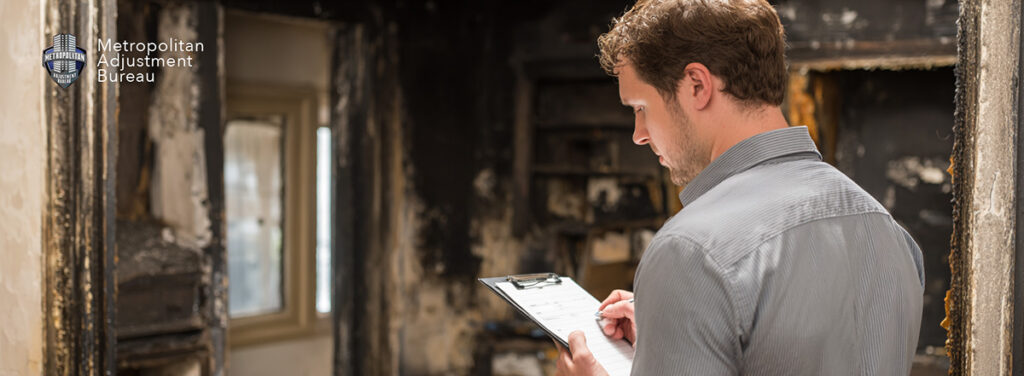
Public adjusters coordinate every step of the claim process, from identifying damage to negotiating the final settlement. Their work creates a complete and accurate record of the loss, which becomes the foundation for the insurer’s review.
Inspection and documentation
A comprehensive inspection includes:
- Structural components
- Electrical systems
- Moisture mapping
- Smoke and soot pathways
- Interior and exterior finishes
- Personal property inventories
- Code requirements
Homes in Southern California often have mixed construction, requiring careful examination to identify hidden issues.
Estimating the loss
Adjusters prepare detailed repair estimates that include demolition, materials, labor, and specialty trades. They reference local labor rates and typical regional construction costs to ensure accuracy.
Valuation
Understanding replacement cost value, actual cash value, depreciation, and policy limits helps determine what is owed under the policy. Many disputes arise from misunderstandings about how these values work.
Negotiation
Once the adjuster submits the full scope of loss, negotiation begins. Differences between estimates may involve missing items, incorrect quantities, or assumptions about what can be repaired. Adjusters present evidence to support each item in the scope.
When estimates differ
Differences often arise because initial inspections are quick and focus only on surface damage. A deeper review may reveal structural, moisture, or smoke-related issues that require additional work.
FAQs
What kind of documentation does a public adjuster create?
Documentation may include detailed line-item repair estimates, moisture maps, structural diagrams, smoke pathway analysis, inventories of personal property, material pricing, and code-related requirements. This creates a complete record of the loss that the insurer must evaluate.
How do adjusters determine repair costs?
They use industry-standard estimating systems, review local labor rates, verify material pricing, and consider structural and code requirements. Adjusters also account for demolition, mitigation, and specialty trades that may be necessary for accurate restoration.
What is the difference between replacement cost and actual cash value?
Replacement cost reflects the price of repairing or replacing the damaged property with materials of a similar kind and quality. Actual cash value subtracts depreciation. Policies vary in how and when these values are paid out.
Why do insurer estimates differ from adjuster estimates?
Differences often come from missing items, incorrect quantities, outdated pricing, or assumptions about what can be repaired. Adjusters review the property in more detail and often uncover additional structural, electrical, or moisture-related issues.